Home AC Repair: DIY AC Repair Typical Mistakes
AC Service and Repair Near Me: For Any Problems With Your Home'S Central Air Conditioning, Specialist A/c System Servicing Is Highly Recommended To Bring Back Comfort
Typical Air Conditioning Problems Debunked
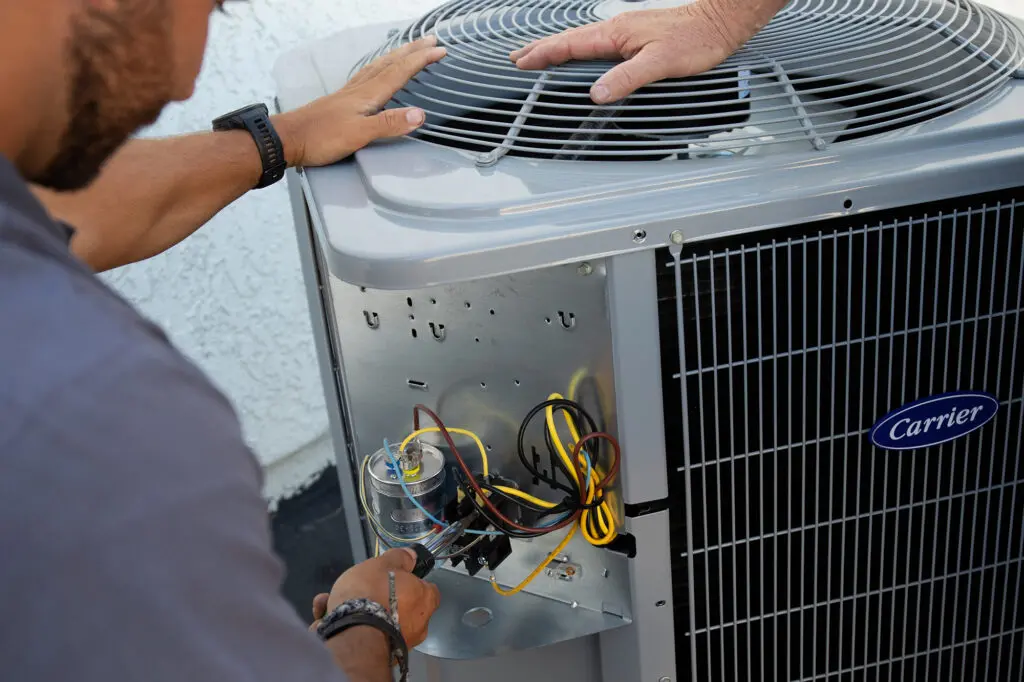
Ah, the symphony of summertime, typically stressed by the ominous silence of a failing air conditioning unit. It's a scenario as old as time, or a minimum of as old as main air. We've all existed: that minute of creeping fear when the supposed blast of cool air is absolutely nothing more than a lukewarm sigh. Comprehending the typical culprits behind a malfunctioning air conditioner unit isn't just about being informed; it's about possibly conserving yourself from a full-blown meltdown, both personal and mechanical. What are the usual suspects when your home's sanctuary turns into a blistering desert?
The Silent Treatment: Why Your Air Conditioning Isn't Switching On
Think of awakening to a heat wave, your internal thermostat currently opposing, only to discover your AC unit offering no action whatsoever. Is it a power concern? A thermostat glitch? Typically, the easiest explanation is the proper one. A tripped circuit breaker is a remarkably regular wrongdoer. Think of it as your electrical system's method of saying, "Whoa, too much going on here!" In some cases, it's as easy as resetting it. What if that doesn't work? Have you checked your thermostat settings? It sounds elementary, yet countless service calls begin and end with an easy modification of the thermostat from "off" to "cool" or a fresh set of batteries. Don't undervalue the power of the obvious!
The Warm Embrace: When Your Air Conditioner Blows Hot Air
Maybe the unit is running, however the air emanating from the vents seems like it's straight from an oven. This is where things get a bit more complicated. A typical culprit here is a refrigerant leak. Refrigerant, the lifeblood of your air conditioner, is what absorbs heat from your home and launches it outdoors. Without enough of it, your system can't perform its cooling magic. Another regular concern is a stopped up air filter. It's like trying to breathe through a thick blanket; the system has a hard time, air flow is limited, and efficiency plummets. Routine filter changes are not simply a recommendation; they are an important for optimum performance and durability. Have you altered yours recently?
The Drip, Drip, Drip: Water Leaks
Discovering a puddle near your indoor system can be worrying. While it might appear like a minor hassle, it can signal more considerable underlying problems. The most typical reason for water leakages is a stopped up condensate drain line. As your AC cools the air, it removes humidity, which then condenses into water. This water recedes through a specific line. If this line gets blocked by algae, dirt, or debris, the water has no place to go however out, typically onto your floor. This isn't simply unpleasant; extended leaks can result in water damage and mold growth. Another less common, but still possible, factor for water leakages is a frozen evaporator coil, often a symptom of low airflow due to an unclean filter or low refrigerant.
The Unsettling Sounds: Sounds You Shouldn't Ignore
Your air conditioning system shouldn't sound like a haunted home. Strange noises are typically your system's way of weeping for help. Here are a couple of common auditory red flags:
- Screeching: Typically shows an issue with the fan motor belt or bearings.
- Grinding: Could point to problems with the motor's bearings, needing immediate attention to avoid additional damage.
- Banging: A loose or broken part within the compressor or fan might be triggering this worrying sound.
- Clicking: While some clicking is normal during start-up and shutdown, relentless clicking might indicate an electrical relay concern.
Ignoring these sounds belongs to ignoring a smoke alarm-- it hardly ever ends well. Early intervention can typically avoid a small concern from growing out of control into an expensive repair.

Comprehending these typical a/c issues empowers you as a house owner. While some concerns, like a tripped breaker, are DIY-friendly, others, such as refrigerant leaks or compressor problems, definitely need expert air conditioning repair. Understanding when to employ the experts is key to keeping your comfort and the health of your cooling system. Don't let a minor hiccup develop into a significant headache!
DIY Troubleshooting Tips
The ruthless summertime heat, a true heater of pain, frequently finds us yearning for the cool accept of a correctly functioning a/c system. However what happens when that comforting hum fails, changed by a disturbing silence or, even worse, a disheartening rattle? Before you grab the phone to call an air conditioner repair work specialist, think about a couple of do it yourself fixing actions. Lots of small problems can be resolved with a little bit of know-how, conserving you both money and time. Think about it as being your own investigator, sorting through hints to identify the issue. Is it a simple repair, or a sign of something more profound?
One common more info perpetrator behind an unexpectedly struggling air conditioning unit is a stopped up air filter. It's astonishing how often this small element can bring a mighty system to its knees. Picture trying to breathe through a thick wool blanket; that's what your a/c unit experiences with a dirty filter. When was the last time you checked it? A good guideline is to examine it monthly and change it every 1-3 months, particularly during peak use seasons or if you have animals. A clean filter isn't simply about airflow; it's about the durability of your whole system. Restricted airflow forces the system to work harder, leading to increased energy usage and premature wear on parts. It resembles asking an Olympic runner to sprint with weights connected to their ankles.
Decoding the Thermostat
Typically, the source of a perceived a/c breakdown isn't the unit itself, however the command center: your thermostat. Have you examined the battery recently? A dead battery is a surprisingly frequent reason for a non-responsive system. Guarantee it's set to "cool" and not "heat" or "fan just." A classic mistake, right? However it takes place more frequently than you 'd think, especially after seasonal modifications. Moreover, consider if someone inadvertently changed the temperature level setting considerably. A common circumstance involves a household member bumping the setting, resulting in an unexpected, unanticipated drop or increase in indoor temperature level. It's the equivalent of a miscommunication in between the brain and the body.
- Check the outdoor unit for obstructions. Leaves, twigs, and even little toys can obstruct the air flow, impeding its ability to dissipate heat.
- Inspect the circuit breaker. A tripped breaker is a simple repair, but if it keeps tripping, that's a clear signal of a deeper electrical problem that warrants professional attention.
- Listen for uncommon sounds. Hissing could show a refrigerant leak, while grinding frequently points to a motor problem. Your AC system frequently speaks to you, if only you listen.
Another frequently ignored aspect is the condensate drain line. This line removes moisture from your home, and if it ends up being blocked, water can back up, triggering a safety switch that closes down the system. A basic service is to clear the clog, frequently with a store vac or a specialized cleansing solution. This small act can prevent substantial water damage and restore your AC's performance. Keep in mind, the goal of these preliminary actions is to separate the problem. Is it something you can deal with, or does it need the specialized tools and understanding of a professional? Sometimes, the most valuable do it yourself suggestion is understanding when to employ the cavalry.
Employing a Professional for Your Air Conditioner Repair work
The sweltering summer heat comes down, and unexpectedly, your sanctuary ends up being a sauna. The air conditioning system, once a silent guardian, now groans with a sickly wheeze, or even worse, provides just the lukewarm accept of stagnant air. Do you grab your toolbox, fueled by a YouTube tutorial and a dash of positive lack of knowledge? Or do you get the phone, confessing that some fights are best battled by skilled veterans? This isn't just about repairing a broken machine; it's about bring back comfort, protecting sanity, and ultimately, securing your financial investment. Lots of house owners, in a valiant effort to save a few dollars, accidentally transform a minor AC misstep into a full-blown catastrophe. I've seen it countless times: a well-intentioned DIYer trying to "complete" refrigerant, only to inadvertently vent it into the environment, developing an environmental risk and a a lot more costly a/c repair expense. An ounce of prevention, as they state, deserves a pound of remedy, and in this case, that ounce is professional expertise.
Think about the complex dance of components within your a/c unit. It's not just a fan and some coils; we're speaking about refrigerants, electrical systems, compressors, and fragile sensors all working in show. A bad move in one area can waterfall into widespread issues. A common oversight is misdiagnosing an easy capacitor failure for a more serious compressor concern. A trained technician, nevertheless, will swiftly determine the culprit. They possess specialized tools, like a manifold gauge set for precise pressure readings or a multimeter to check electrical connection, which are well beyond the typical house owner's arsenal. Additionally, they understand the subtle subtleties of air flow dynamics and HVAC system effectiveness. Did you know that even a somewhat undersized or oversized filter can significantly affect your unit's efficiency and durability? It's these apparently minor information that a true expert will diligently examine.
Browsing the Choice Process
So, how does one sort through the wide variety of a/c repair work services to discover the ideal fit? It's not unlike finding a relied on doctor; you want someone experienced, reliable, and transparent.
- Experience Matters: Try to find business with a long-standing credibility. Durability frequently speaks volumes about their quality of service and consumer fulfillment.
- Certifications are Key: Guarantee their professionals are NATE (North American Professional Excellence) certified. This symbolizes a high level of competency and adherence to industry best practices in a/c service.
- Transparent Interaction: A trusted professional will explain the issue in clear, reasonable terms, describing the needed repairs and providing alternatives. They won't speak in riddles or pressure you into unneeded repairs.
- Emergency Solutions: Does the business offer 24/7 emergency situation repair? An unexpected breakdown on a scorching Sunday afternoon demands immediate attention, not a voicemail.
Eventually, the choice to employ a professional for your cooling system problems isn't almost benefit; it's about securing your home's comfort, extending the life-span of your unit, and avoiding pricey errors down the line. Remember the old adage: "If you think an expert is pricey, wait until you hire an amateur."
The Unsung Hero: Preventative Upkeep
Ever discovered yourself sweltering in the peak of summertime, air conditioning blowing nothing but hot air? It's a classic tale, isn't it? The kind that makes you question why you didn't follow that peaceful whisper in the back of your mind about a tune-up. This isn't just about preventing pain; it's about protecting your financial investment. Believe of your a/c system as a careful orchestra; every part plays a vital part. When one instrument fails, the entire symphony suffers, and often, the most significant discord arises from overlooked preventative measures.
The Silent Saboteurs of Efficiency
The most common, and frequently ignored, culprit behind a struggling air conditioner is a filthy filter. Sounds basic? It's impressive how numerous property owners forget this crucial step. A clogged up filter chokes your system, forcing it to work harder, consume more energy, and ultimately, reduce its life-span. It's like trying to run a marathon while breathing through a straw. Another quiet saboteur is the accumulation of debris on your outdoor system's coils. Leaves, dirt, even pet fur-- they all serve as insulators, preventing appropriate heat exchange. Imagine attempting to cool a steaming pot by wrapping it in a blanket; that's essentially what's happening.
Beyond the Obvious: Expert Insights
- Display Refrigerant Levels: Low refrigerant isn't almost less cooling; it points to a leak. An experienced specialist can determine and repair these leaks, preventing more environmental effect and pricey system damage.
- Check Electrical Links: Loose circuitry can lead to ineffective operation and even fire risks. A professional assessment ensures all connections are secure and corrosion-free, frequently avoiding what might become a considerable electrical repair.
- Tidy Drain Lines: An obstructed condensate drain line can trigger water to support, causing mold growth, water damage, and even system shutdown. A simple flush can prevent an untidy and expensive problem.
Think about the tale of two homeowners: one who vigilantly schedules annual air conditioning maintenance, and another who waits on a breakdown. The very first enjoys consistent comfort and lower energy expenses, while the 2nd deals with emergency situation repair work, frequently at the most inconvenient times and at a premium. Which story would you choose for your own home? The upfront cost of preventative care pales in comparison to the abrupt, unforeseen expenditure of a significant repair work. It's not about being lucky; it has to do with being prepared.
A Proactive Method: What to Expect
Throughout an expert preventative maintenance check out, a specialist will carry out a thorough check-up. This isn't just a fast glimpse; it includes a comprehensive evaluation of all significant parts, from the thermostat to the compressor. They'll oil moving parts, making sure smooth operation and decreasing wear and tear. They'll examine the calibration of your thermostat, ensuring accurate temperature level readings and optimal energy usage. It has to do with nipping prospective problems in the bud before they blossom into full-blown crises. Don't let your comfort be an afterthought; make preventative maintenance a top priority. Your wallet, and your summer season, will thank you.